Changelog

Follow new updates and improvements to Heartbeat.

September 10th, 2026

New

Running a community is a long series of judgment calls about individual people. Who to invite onto the call. Who is drifting and worth a DM. Who has been highly engaged in a channel for six months without recognition.

Those calls are only as good as what you can see about one person

Until today the members list gave you a name, a join date, and a last-login date. But Heartbeat has been storing posts, comments, chat messages, lesson completions, RSVPs and purchases since you started your community; and Resources, Sign Up Links and public event RSVPs have been collecting emails from leads who never became members. None of it was assembled per person, until now.

Settings now has a People section with two tables, Members and Leads. Click any row in either one and you land on that person's journey.

Member Journeys

Every member's page has a Journey tab. It puts every post, comment, chat message, completed lesson, RSVP, purchase, plan change, failed payment and cancellation for one person into a single timeline, newest first.

The timeline groups activity before you read it, making it easily scanned. Entries link to whatever they are about, so clicking an RSVP opens the event and clicking a purchase opens the offer. Admin and system actions, like joining or leaving groups, appear as entries too, and name who made the change.

Above the timeline is a 12-month heat-map of that member's activity, shaded against their own busiest days rather than the community's, so someone quiet but consistent does not disappear into grey. Beside it sits the rest of their member data: when they joined, when they were last seen, the devices they use, their Access Groups, the answers they gave during onboarding, and a View in Stripe link for anyone with a payment history.

Answering "what has this person actually been doing" stops being a guessing game.

Leads

A lead is someone whose email address you hold who has not joined. They now have a table of their own under People, and a journey of their own.

Every lead sits in one of four groups:

  • Onboarding is partway through joining: started signing up, paid for an offer, or waiting on a waitlist that has not launched.

  • Hot did something high-intent in the last six months, like buying something or joining a waitlist.

  • Warm came to you and engaged, by unlocking a Resource or following a Sign Up Link, but has done nothing high-intent since.

  • Cold is an address you hold from an import or an invite, belonging to someone who never came to you at all.

The groups maintain themselves. Onboarding ends when someone joins or the window runs out, Hot cools to Warm after six months of quiet, and a high-intent action moves them back to Hot.

Leads come from Resources, Sign Up Links, waitlists, public event RSVPs, and purchases made by people who never joined.

If your community has been running for a while, this list is full the first time you open it, with first-contact dates going back years.

Lead captured workflows

A list of email addresses is only worth what you do with it, and until now doing anything with it meant remembering to. There is a workflow trigger for it now: On Lead Captured, which fires the moment somebody's email address submits.

You can point it at everything, or at one thing. Pick specific Resources, specific Sign Up Links, or specific events, so the lead magnet you promoted gets its own follow-up rather than the same message everyone else gets.

This is what pairs with a lead magnet or a public event. Someone downloads the guide or RSVPs to the workshop, the address lands in Leads, and the first email goes out without you being at your desk. The manual route is still there and still fine: Export CSV and send from whatever you already use.

Also shipped

The Revenue tab is easier to read. Same numbers, cleaner layout. MRR, total spend, active subscriptions and purchase count sit at the top, with the full purchase history underneath.
August 27th, 2026

New

Hardly anyone pays for a membership the first time they find you. So if a membership is the only thing you sell, you lose everyone who wasn’t ready yet, and never find out who they were.

The communities growing fastest build steps between "never heard of you" and "pays me every month," and each step qualifies people for the next. The whole thing runs on content, which you already have.

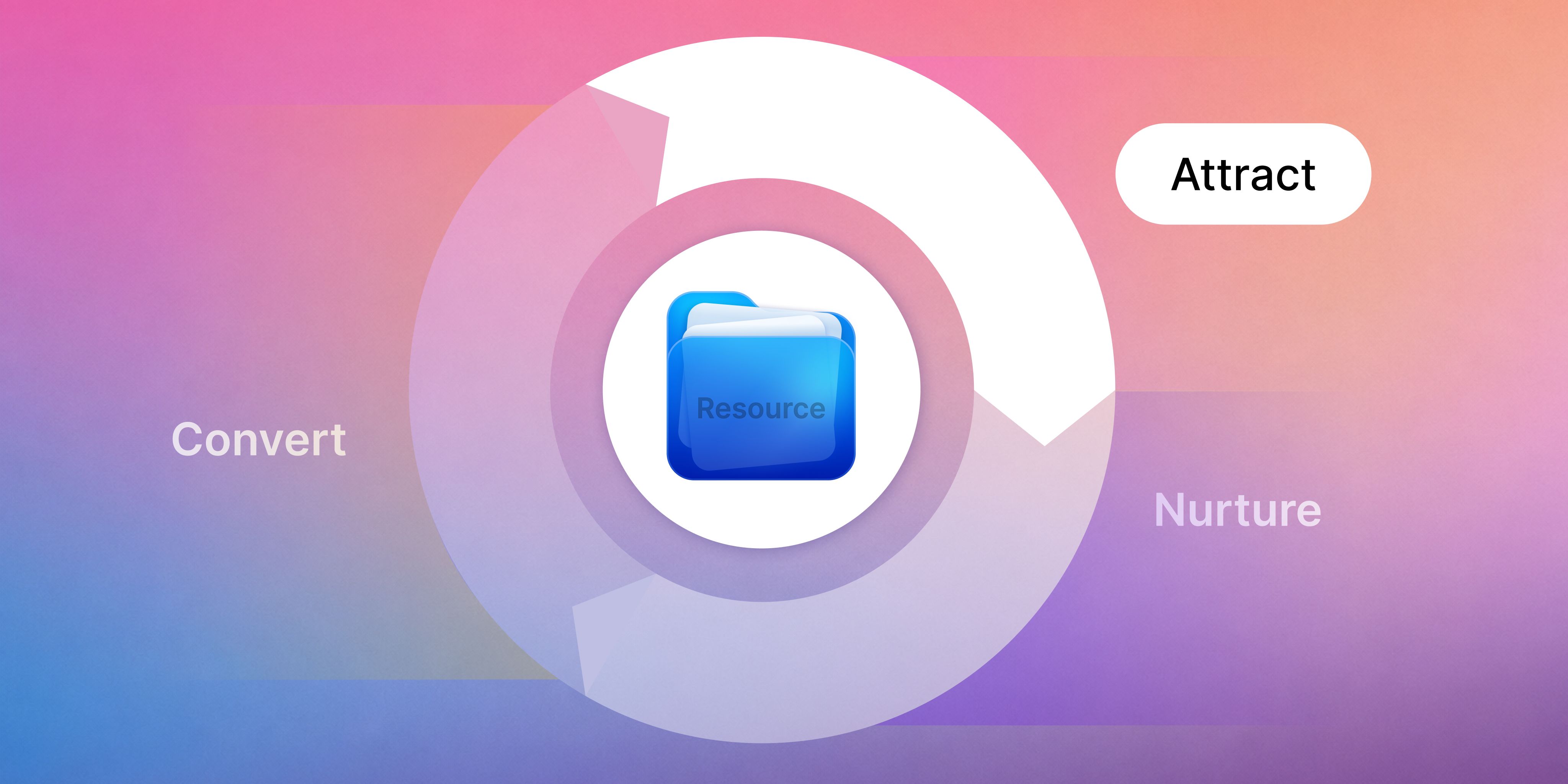
Lead magnets are those steps. A Resource can now leave your community: publish it to its own link that opens with no account, then decide what happens when someone lands on it. They read it free, trade an email address for it, or buy it outright with a one-time price paid through your Stripe.

The guide you always end up sending people. The replay vault. The course you stopped running. Behind your login those only work on members. On a link, they work on everyone else.

How it works

Open Resources, build one as a draft, then hit Publish. Visibility comes first (Community only, Public only, or Everywhere), then access. Public access is Open access (anyone reads it), Email access (an email address opens it), or Paid access (a one-time price, optionally pay-what-you-want with a minimum).

Published Resources get their own public URL. Everything stays editable afterwards from the three-dot menu under Edit details, including making a community-only Resource public later.

On a paid Resource the email address is captured before payment, so a checkout someone abandons still leaves you a way to reach them.

Everywhere prices the two audiences separately. A Resource can be free for your members and $29 for everyone else, in one configuration, which makes what members already have visible to people who have not joined.

Leads, coming next

Every address you have ever collected in one list: event RSVPs, waitlists, sign-up links, abandoned checkouts, Resource unlocks. Most communities that have been running a while will open it to find years of contacts already there. It is not switched on yet and it is the next thing shipping.

Heads up: access inside a Resource is all or nothing. If you want a free sample of something you sell, publish the sample as its own free Resource and link across to the paid one.

If your library is straightforward to move we are upgrading it for you. If it needs more care you will see a prompt with a path forward in Resources.

Your content stays yours. Publishing changes who can reach it, not who owns it.

July 23rd, 2026

Improved

Connecting a custom domain to your community used to mean copying DNS records into your registrar, waiting, and wondering if you did it right. Now it takes a couple of clicks to host your community on your own domain.

Type in your domain, hit Connect, and we sign into your domain provider with you and set up the records automatically. That works for your community domain, your email sending domain, or both at once.

Don't have a domain yet? Get one through Heartbeat. It's free for your first year, and you'll see exactly what it costs to renew before you claim it.

Already have a domain connected? You're all set. Your domain stays active exactly as it is, and there's nothing you need to do.

How it works

Head to Settings > Community > Domains and enter the domain you want, or pick "Or, get a free domain" to register a new one. For most domain providers we handle DNS setup for you.

After that, your domain is Active once the records finish propagating, usually within a few minutes and at most 24-48 hours. Learn more here.

Email on your domain too

If your community is already on a custom domain, you can now start sending community emails from that same domain with one click.

A cleaner Domains page

The Domains settings page got a full refresh along the way. You'll see a live preview of what visitors hit when they land on your domain, pick the default homepage they should see (a custom page or a sign up link), and check your domain's status at a glance.

July 14th, 2026

New

One less reason to open the Stripe dashboard. Every payment your community takes now shows up right inside Heartbeat, and refunds happen there too.

How it works

Head to Settings > Revenue > Transactions to see all your payments in one table. Each row connects to the rest of Heartbeat: click the product to open the offer or event it came from, click the buyer to open their member profile, or use the 3-dot menu to view full payment details and issue a refund.

Looking for a specific payment? Hit the Filters button at the top of the table. You can narrow by the following filters:

  • customer (search their name or email)

  • Product (search by offer name or event ticket)

  • Amount range (in any currency); and

  • Date range (support for custom date ranges)

Full walkthrough in the help center. The Stripe dashboard isn't going anywhere. You'll just need it a lot less.

July 2nd, 2026

New

Waitlists now support free signups. Before this, every waitlist required a price. If you wanted to capture interest before launching, you were working around that limitation.

Now you can create a waitlist with no price attached. Visitors sign up, you build the list, and when you’re ready to open the doors, you launch the paid offer behind it. Set it up in Settings > Revenue > Waitlists and set the price to $0.

It works with Pages too. Build a landing page, drop a free waitlist on it, and you have a complete pre-launch funnel — all inside Heartbeat.

Heads up: Members on a free waitlist aren’t community members yet. They’re captured leads. Once you’re ready to convert them, you’ll launch your waitlist and convert it into an offer.


Also shipped

  • Member settings load fast now. Settings → Members used to freeze for large communities loading 1,000+ members at once. Now loads incrementally, & remembers your page when you click in & out of a member profile.

  • Promo codes work in the Change Plan modal. You can now apply a promo code directly when a member upgrades or downgrades their plan. No workarounds needed.

  • Cancel subscription modal UI improved. Fixed confusing button labels. Now clearly "Cancel Plan" and "Go Back."

  • "Buy Ticket" replaces "RSVP" on paid events. Paid events now show a "Buy Ticket" button instead of "RSVP." Small wording change, but it sets the right expectation before your members click.

June 8th, 2026

New

Pages is here. Build a fully custom landing page for your community without bouncing prospects out to Wordpress, Squarespace, or straight into a checkout link.

Your landing page is the first thing visitors see before they decide to join. It sets the tone for your brand and it is where warm interest turns into signups. Now you build it where your community already lives, and Pulse does the heavy lifting.

Start with a prompt

Tell Pulse what you're building and it generates a publish-ready first draft for you to shape. A signup page, a full landing page, or a waitlist page for something you haven't launched yet. Pulse turns the idea in your head into a real page, matched to your branding, in one pass.

Pre-launch? Pages support waitlists to build anticipation and capture interest before your community doors open.

Edit anything, two ways

Everything on a Page is editable. There is no separate design mode to learn.

  • Left-click any text, button, image, icon, or video to edit it in place. Swap in your own images or pull from Stock Photos. The page updates instantly.

  • Right-click to open Pulse for the bigger moves: redesign a section, add or remove sections, add motion. Describe what you want and Pulse reads the full page, matches your existing design, and builds it.

Every change is saved as a version, whether it came from a click or from Pulse. Don't like an edit? Open version history and revert to any earlier version.

Publish and share

When you're ready, open the three-dot menu, choose Edit page information, and set your slug to give the page a clean, readable URL. Then hit Publish. Your page goes live immediately.

Click Preview to see the live URL and exactly what visitors see. Share that link anywhere, and visitors can sign up for your community straight from your Page.

Once a page is published, new edits stay staged until you publish again, so you can experiment freely and push updates only when you're ready.

Already sharing a sign-up link?

Every Page has its own URL. If you're building a Page to replace a landing page you used with an existing Sign Up Link, that old link won't point to your new Page. Update it everywhere you share it (link in bio, social profiles, emails, ads) so visitors land on the new Page.


Pulse builds your community. Now it helps you sell it.

May 20th, 2026

Improved

Your settings used to be one long list that just kept getting longer. We did some spring cleaning.

Open your settings now and you'll see seven categorized sections in the sidebar instead of one sprawling menu. Everything you had before is still there. It's just easier to find.

What's where

  • Community: General settings, theme, sidebar, custom URL and email domains, branded app

  • Content: Video library, email content, emojis

  • People: Members, onboarding, sign up links, access groups, roles

  • Revenue: Payments, offers, waitlists, affiliates, conversion tracking, subscription migration

  • Workflows: Active, scheduled, automated, paused, and completed runs in one filterable table

  • System: Pulse settings, integrations, API keys, billing, legal

  • Account: Your profile, affiliate link, notifications, groups, auto-responder

Small wins worth calling out

  • Emojis got their own page with a searchable table. Easier to scan when you've built up a big set.

  • Email is split into domain and content. And content customization is going to grow.

  • Workflows are now a filterable table, with search on the way.

  • The community switcher lives inside settings as well. Click your community name up top to jump between communities.

  • Pulse stays pinned in the top right of every settings page.

  • Support is still one click away, in the bottom left.

A note on the new look

This is the first part of Heartbeat with our new design refresh, which we're calling Rhythm. More of the product will move over to the new look page by page in the coming months.

Expect small refinements through the next week. Tell us what feels off. We'll keep refining as you use it.

April 28th, 2026

New

Improved

Moving to Heartbeat from Circle, Kajabi, Mighty, Substack, or anything else Stripe-powered? Your active subscriptions come with you. No double-charging, no re-subscribing, no coordinating 200 manual transitions.

Start from Settings > Import Subscriptions, pick the platform you're coming from, upload your Stripe subscription export file, and map each price group to a Heartbeat offer. Pulse steps in when you need a new offer on the fly.

How it works

Export subscriptions from your old Stripe account. Upload the CSV. We auto-detect the Stripe format and respect legacy prices. Copy your customer data over from your old Stripe account to your new Heartbeat-managed one, then hit Complete Migration. Finally, cancel the subscriptions in your old Stripe account to avoid double-billing. That’s all!

Members skip checkout on sign-up and go straight to onboarding. Your members keep what they're paying. You keep the revenue.

Want a second set of eyes? Optional Heartbeat review step double-checks the setup before anything runs.

Heads up: Stripe-to-Stripe migrations only for now.


Also shipped

Improved Edit sidebar items without opening Settings. Hover on any item in your left sidebar (Feed, Courses, Events, Docs, Matchups, or any custom link), click the three-dot menu, and rename, edit access, or configure it right there.

April 9th, 2026

New

You asked for this one. A lot. It's here.

Every piece of your member experience (buttons, emails, notifications, checkout flows, courses, events, search, settings, and more) now renders in your community's language. Set it once in General Settings. Your entire member experience updates instantly.

Five languages at launch: Spanish, French, Italian, Portuguese, and German. English remains the default.

How it works

Go to General Settings and select your Community Language. All members see the translated UI instantly. Outside your community (login, landing pages, checkout), Heartbeat detects the visitor's browser language automatically. New members feel at home before they've joined.

Heads up: The admin dashboard is still in English for now. Your members get the full translated experience, but your side doesn't (yet). Admins see cases of English mixed with your community language.

Your content stays yours. Posts, lessons, docs, and events remain exactly as you wrote them. This update translates Heartbeat's UI, not your words.

Translation quality and adding languages

This is a big surface area. We've validated every string across all five languages, but real communities surface things that testing doesn't. If something looks off (a mistranslation, an awkward phrase, anything that doesn't feel right) reach out to us at support@heartbeat.chat.

Need a language that isn't on the list yet? Let us know through support. Community demand is how we prioritize what comes next.

Building this right is a community effort. Thank you for being part of it.

April 9th, 2026

New

Pulse can read and reason over uploaded files. Drop a file into the chat and Pulse uses it to build something better.

Turn a transcript into a course. Import a deck from your last workshop. Hand Pulse your writing and let it structure a curriculum around it. Migrating from another platform? Upload your existing content and Pulse will work from there.

What's new

  • Upload files directly in any Pulse chat

  • Add previously uploaded files to new chats

  • Pulse will suggest uploading a file when it would help

Your content stays yours. Uploaded files inform the build. Nothing else.